
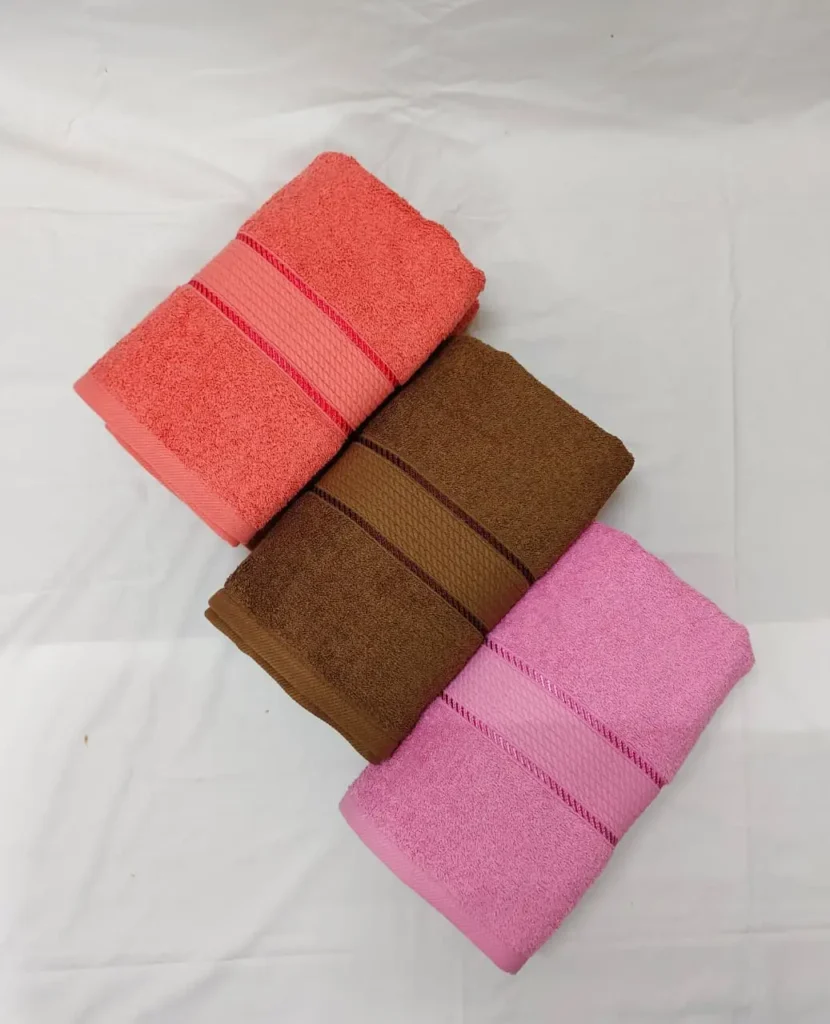
Terry Towel Exporters in India: US, UK, EU & Australia Rules
A towel shipment can be ready at the factory and still miss its vessel. One missing origin label, a wrong product code, or an incomplete invoice can stop the process at the worst possible time.
That is why export compliance belongs in your first product brief. It is not a job to leave for the week of dispatch.
What Export Regulations Apply to Towels?
Terry Towel exporters in India need Indian export documents, correct product classification, and destination-specific labels before towels ship. The United States focuses on fibre content, origin, and marketer details. The UK requires safe products and traceability. The EU combines fibre labelling, chemical controls, and product-safety duties. Australia requires accurate consumer claims and may offer tariff benefits under the India-Australia ECTA when origin rules are met.
What Export Documents Are Needed for Towels from India?
The basic export paperwork is similar across markets. Your destination and buyer may then add product, label, and origin requirements.
DGFT lists the key documents for goods exported from India. These include a bill of lading or air waybill, a commercial invoice-cum-packing list, and a shipping bill or bill of export. The shipping bill and export invoice should carry consistent product details, quantities, values, and consignee information. Keeping these details accurate can help avoid issues during customs clearance for textile exports.
An Importer-Exporter Code, or IEC, is required to export from India. An RCMC certificate, short for Registration-Cum-Membership Certificate, may also be relevant when an exporter seeks trade-policy benefits. DGFT describes the RCMC as validation for exporters linked with government-authorised agencies.
The phrase FIEO registration is often used during export planning. However, it does not replace IEC, customs documents, or the buyer’s destination-market requirements. Textile exporters may also use the DGFT e-RCMC process through a relevant export-promotion council.
For a practical view of textile export compliance in India, keep your sales contract, packing list, invoice, product specification, and transport details consistent. Customs paperwork is not just administrative. It has to describe the same goods your buyer has approved.
Why the HS Code for Towels Matters First
The correct tariff classification decides duties, origin checks, and the documents used in customs declarations. Confirm it before you print labels or negotiate a landed price.
The HS code for towels generally falls under heading 6302, which covers certain bed, table, toilet, and kitchen linen. Cotton terry towels are classified under subheading 6302.60. The final tariff line and duty rate can vary by country and product specifications.
Do not rely on an old invoice or a competitor’s product listing. Ask your customs broker to confirm the code for the exact towel. A bath towel, kitchen towel, towel set, and blended-fibre towel can create different classification questions.
That classification also shapes duty planning. It is the first number your importer has to check before calculating landed cost.
US Rules: Fibre, Origin, and Responsible Marketing
For most US-bound towels, labels need accurate fibre content, country of origin, and the identity of the manufacturer or another responsible marketer.
The US fiber content labeling law requires generic fibre names and percentages by weight. If your towel is entirely cotton, “100% cotton” must be accurate. The country of origin labeling should also be clear and visible to the final consumer.
Towels can be treated as “flat goods” under US origin rules. In some cases, the label may need details of both the finished product’s origin and where its fabric was made. Confirm the final wording with the US importer before production starts.
The CPSIA flammability standard (US) is often included in general textile compliance checklists. For ordinary bath towels, 16 CFR Part 1610 is focused on clothing textiles and articles intended for clothing use. Children’s products or products designed for a special end use may have additional flammability requirements.
UK Rules: UK GPSR and Product Traceability
Towels sold to UK consumers must be safe for normal and reasonably foreseeable use. The UK GPSR, formally the General Product Safety Regulations 2005, provides that broad safety framework.
For an Indian supplier and a UK importer, traceability is the practical concern. UK guidance states that importers must make products traceable to their source. Product, package, or accompanying batch documentation can help meet this need.
Agree on the label artwork before production. It should cover the fibre statement, origin wording, care details, importer information, and packaging language required by the buyer. Great Britain and Northern Ireland should not be treated as identical markets. Northern Ireland follows the EU’s newer general product-safety regime.
EU Rules: EU REACH Regulation, Labels, and GPSR
EU towel requirements combine consumer labelling, chemical controls, and product-safety responsibilities. They must be reviewed together.
EU textile rules require an accurate fibre-composition label for textile products sold in the Union. This makes the fiber content labeling law a production requirement, not a last-minute packaging task. The final label language should be agreed with the EU importer.
The EU REACH regulation controls certain chemical substances in products placed on the EU market. Towels come into regular skin contact. Dyeing, printing, softening, and finishing choices should therefore be checked against the buyer’s chemical specification. European Commission guidance includes towels among textiles that can contact skin during normal use.
The EU General Product Safety Regulation also assigns responsibilities to economic operators. Your EU importer should confirm its role, traceability needs, and required technical information before the order moves into bulk production.
Australia: Consumer Claims and FTA Tariff Planning
For Australia, start with accurate product claims and then check whether your shipment qualifies for tariff treatment under ECTA.
Australian Consumer Law textiles is relevant when marketing or labels make claims about fibre content, origin, or product performance. Claims must be accurate and supported. Confirm care and retail-label requirements with the Australian importer before printing packs.
The Australia-India Economic Cooperation and Trade Agreement, known as ECTA, took effect on 29 December 2022. According to DFAT, 96% of imports from India became tariff-free when the agreement entered into force, subject to its product and origin conditions.
An FTA preferential tariff is not automatic. Your towel must satisfy ECTA rules of origin. The importer must also use the right evidence. ECTA certificate rules call for details such as exporter, producer, importer, transport, goods description, HS code, origin criterion, quantity, and invoice data.
A certificate of origin is therefore central where the buyer plans to claim a tariff preference. DGFT provides a paperless certificate-of-origin system for FTA and PTA applications.
US, UK, EU and Australia: Buyer Comparison
Each market needs the same foundation: an accurate product specification and consistent documents. The local focus changes after that.
| Destination | Main compliance focus | Label and document priority | Buyer action before production |
| United States | FTC textile rules and customs origin | Fibre content, marketer identity, origin | Approve flat-good origin wording |
| United Kingdom | UK GPSR and traceability | Fibre, origin, care, importer details | Confirm Great Britain or Northern Ireland destination |
| European Union | Fibre labels, REACH, product safety | Fibre composition, chemical brief, responsible operator | Approve restricted-substance requirements early |
| Australia | Accurate consumer claims and ECTA origin | Retail claims, origin, proof for tariff preference | Confirm origin eligibility with the importer |
A Buyer Checklist for Export Documentation for Towels
A single approved compliance sheet prevents most late-stage mistakes. Send it with your purchase order and sample approval.
- Confirm the final HS classification with your customs broker.
- State the exact fibre-content and country of origin labeling wording.
- Identify the destination’s required label languages and importer details.
- List the tests, chemical restrictions, and care claims your order requires.
- Confirm who prepares the invoice, packing list, shipping bill, and transport document.
- Check whether a certificate of origin supports the customs or tariff claim.
- Get the buyer’s written approval before retail labels go into bulk print.
Planning Towel Exports With Vertex Textile Industries
The best export orders are specified early, not repaired after packing. Your label, fabric composition, product code, packaging marks, and documents should all tell the same story.
Vertex Textile Industries was established in Solapur in 1986. The company has around 40 years of towel manufacturing experience. Solapur is one of India’s established terry towel manufacturing clusters.
At Vertex Textile Industries, our quality practices are aligned with the product and process expectations associated with OEKO-TEX®, ISO 9001:2015, GOTS, and BSCI standards. For your order, the focus remains clear: confirmed specifications, reliable shade matching, and agreed quality checks before bulk production.
Speak with Vertex Textile Industries about evaluating Terry Towel exporters in India for your destination-market requirements.
FAQs
What export documents are required for towels from India?
Core export documentation for towels includes a shipping bill, commercial invoice-cum-packing list, and bill of lading or air waybill. The importing market or a trade agreement may also require a certificate of origin.
What is the HS code for cotton terry towels from India?
Cotton terry towels commonly fall under HS heading 6302, often under 6302.60. Confirm the complete tariff classification with your customs broker because the fibre, construction, and destination schedule can affect the result.
Do ordinary towels need CPSIA flammability testing in the US?
Usually not. The CPSIA-linked clothing flammability rule at 16 CFR Part 1610 applies to apparel textiles. Ordinary household towels are not clothing, although children’s products may need additional review.
Does the EU require fibre-content labels on towels?
Yes. The EU requires accurate fibre-composition information on textile products. Your importer should approve the wording and language before labels and packaging are printed for the EU market.
Can towel imports into Australia receive tariff benefits under ECTA?
They may. The towels must meet ECTA rules of origin, and the importer needs valid proof of origin to claim the relevant FTA preferential tariff. Confirm eligibility before booking the shipment.
