
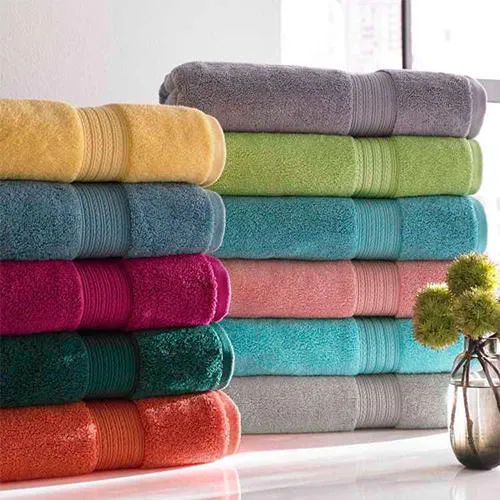
Combed or Carded? What Cotton Towel Manufacturers Should Tell You Before You Buy
Combed cotton has short fibres removed before spinning, creating smoother, more even yarn with less lint. Carded cotton skips this extra combing step, making it more economical but generally less refined. For buyers comparing cotton towel manufacturers, this difference can affect softness, durability, lint shedding, and price.
Two towels can both say “100% cotton” and still perform very differently after repeated washes.
A buyer once sent us two supplier quotations that looked almost identical. Both said “100% cotton.” One also said, “combed.” His question was simple: “Does combed actually make a difference, or is it just marketing?”
It makes a difference before the towel even reaches the loom.
Combing removes short fibres and aligns the remaining fibres more evenly before spinning. Cotton Incorporated notes that noil removal during combing can range from about 4% to 24%, depending on fibre quality and the degree of combing.
That difference may be difficult to spot on a quotation. It becomes much easier to notice after repeated use and washing. This is why buyers should look beyond “100% cotton” when comparing cotton towel manufacturers. Understanding combed cotton yarn and carded cotton yarn helps you compare what you are actually getting, not just what the specification calls it.
What Combed and Carded Cotton Actually Mean
Both terms describe a step in cotton fiber processing, not a type of cotton plant. Every cotton fiber starts as a raw, tangled mass, and carding is the first stage: a machine brushes the fibers roughly parallel and removes the biggest impurities. Carded cotton yarn is spun straight after this stage, so it still contains short, uneven fibers mixed in with the longer ones.
Combing adds one more step before spinning. It removes shorter fibres and lines up the longer ones more evenly. This works especially well with long-staple cotton, helping create smoother, more uniform yarn with fewer loose fibre ends. The result is less pilling and better cotton yarn strength. The extra processing also adds to production costs. That is why buyers should always check whether “combed” is clearly mentioned on the quotation.
However, not every mill runs both processes well. Carding equipment is common and cheap to operate, but a proper combing line needs tighter calibration and more frequent maintenance, so smaller cotton towel manufacturers sometimes skip it entirely or outsource that stage. That’s worth asking about directly, since a supplier who combs in-house has more control over consistency than one relying on a third party for that step.
Vertex Textile Industries was established in Solapur in 1986 and has built roughly 40 years of manufacturing experience around exactly this distinction. On our floor, ring-spun combed cotton goes through a longer, more controlled process than carded yarn, and that extra step shows up directly in GSM consistency and how a towel feels after its hundredth wash, not just its first.
Why This Matters for Your Specific Order
The comb-or-card decision isn’t abstract. It changes how a towel performs for the exact use case you’re buying it for.
Hotels and Resorts
Guests judge a towel in the first three seconds of touching it. When comparing softness vs durability, cotton quality and yarn processing both matter. Combed cotton stays softer through repeated commercial washes, making it a preferred choice for premium hotels despite the higher cost.
Spas and Wellness Brands
Absorbency and lint-free performance matter more than raw softness in a spa setting, especially around the face and after facials. Fiber uniformity from combing reduces lint shedding, which shows up as fewer complaints about towels leaving fibers on skin or treatment surfaces.
Corporate Gifting and Retail Buyers
If margin matters more than premium positioning, carded cotton at a mid-range cotton yarn count is often the smarter call, and there’s nothing wrong with that choice as long as it’s made deliberately, not because a supplier’s quotation was vague.
| Factor | Carded Cotton | Combed Cotton |
| Short fibres removed | No additional combing step | Yes, amount varies with combing |
| Strength | Moderate | Higher |
| Softness over time | Declines faster | Holds up longer |
| Lint shedding | More noticeable | Minimal |
| Typical cost | Lower | Higher |
| Best fit | Budget hospitality, gifting | Premium hotels, spas, retail lines |
How to Read a Quotation Without Getting Misled
Before you approve any supplier’s cotton claim, a few checks save you from a costly surprise later.
- Ask for the actual staple length cotton figure, not just “premium cotton.” Anything below 28mm is short-staple regardless of what marketing copy calls it.
- Request a yarn count on the spec sheet, since a low count with a “combed” label can still feel thinner than a well-made carded towel.
- Ask directly whether short fiber removal happened before or after dyeing; combing after dyeing is rare and worth questioning.
- Compare two physical swatches from the same supplier, one combed and one carded, rather than trusting a photo.
Pro tip: ask your supplier for the specific cotton quality grading standard they test against. A vague answer here is usually a bigger red flag than the price itself.
Vertex Textile Industries: Know the Yarn Behind Your Towel
At Vertex Textile Industries, our quality matches the standards of OEKO-TEX, ISO 9001:2015, GOTS, and BSCI, and we’re upfront about exactly which cotton grade and process goes into every batch we quote. Solapur is one of India’s established terry towel manufacturing clusters, and that concentration of skilled spinning and weaving expertise is part of why we can offer both premium cotton towel fabric and value-tier carded options without cutting corners on either.
As a direct manufacturer with no trading layer in between, we give you clear details on staple length, yarn count, and processing method before you place an order. Whether you need combed yarn for a five-star property or a reliable carded option for corporate gifting, we share the relevant specifications and test reports. That gives you real data to compare when evaluating cotton towel manufacturers for your next order.
Choosing With Vertex Textile Industries: Match the Yarn to Your Needs
The difference between combed and carded cotton matters in everyday use, affecting whether a towel still feels good in month eight or starts losing its feel much earlier. Buyers who ask the right questions before placing an order, and suppliers willing to answer them honestly, are what keep that gap from becoming a returned shipment.
Ready to choose the right yarn? Talk to Vertex Textile Industries, one of India’s experienced cotton towel manufacturers, about your bulk order.
Frequently Asked Questions (FAQ)
What is the difference between combed and carded cotton towels?
Combed cotton has short fibers removed before spinning, leaving longer, aligned strands for a stronger, smoother yarn. Carded cotton keeps those short fibers, resulting in a softer initial feel but faster pilling and lower durability over time.
Is combed cotton better than carded cotton for towels?
For most hospitality and premium retail use, yes, combed cotton generally outperforms carded cotton in strength, lint reduction, and longevity. Carded cotton remains a reasonable, cost-effective choice for budget or high-turnover applications where price matters most.
How do I know if a towel is made from combed cotton?
Check the product specification for the word “combed” alongside a staple length figure, ideally 28mm or above. Genuine combed cotton also feels smoother with fewer visible fiber ends and sheds noticeably less lint than carded fabric.
Does combing affect the GSM of a towel?
Not directly, since GSM measures fabric weight, not fiber process. However, combed yarn packs more consistently, so two towels at the same GSM can feel noticeably different depending on whether combed or carded yarn was used.
Does Vertex Textile Industries offer both combed and carded cotton towels?
Yes, Vertex Textile Industries manufactures both combed and carded cotton towels, and shares the specific yarn count and staple length for each option so buyers can match the fabric to their budget and end use.
