
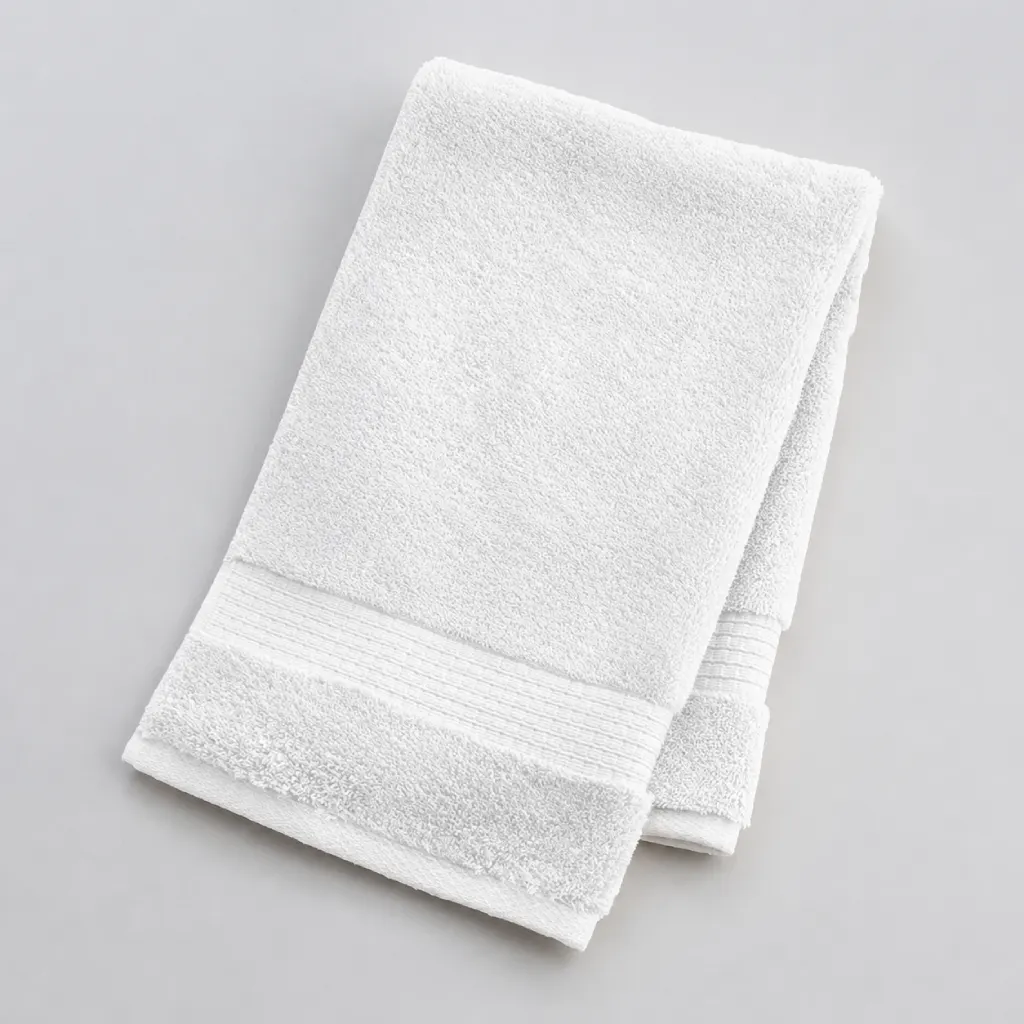
Why Not All White Towels Are the Same: Insights From White Towel Manufacturers in India
White towels can differ in shade even when their GSM, size, and cotton composition match. Scouring, peroxide bleaching, optical brightening, and finishing all influence the final white appearance. When sourcing from white towel manufacturers in India, buyers should compare finished samples, check the whiteness index where relevant, and agree on acceptable shade variation before bulk production.
Your hotel’s next towel shipment arrives with the correct GSM, size, and fabric quality. But when housekeeping places the new towels beside the existing stock, the difference is obvious. One batch looks bright white. The other has a slightly creamy shade.
For hotels, this creates mismatched linen sets. For retailers, it can mean inconsistent products on the same shelf. And for procurement teams, it raises questions about whether future orders will match the approved sample.
The problem is not always the cotton. How the fabric is scoured, bleached, and finished can change the final shade. Understanding these processes helps buyers avoid visible differences between bulk orders.
How Are White Towels Made?
White towels are made by preparing cotton, bleaching it, rinsing it, and applying the required finish before inspection.
A white towel begins with yarn selection and weaving. Greige fabric comes off the loom before dyeing, bleaching, or finishing. At this stage, cotton naturally contains waxes, oils, pectin, and a light yellow tone.
The fabric needs pre-treatment before it can achieve a clean, even white appearance. The main steps are scouring, bleaching, washing, and finishing.
| Process stage | What happens | Why it matters to buyers |
| Greige fabric inspection | Fabric is checked before wet processing | Finds weaving faults before finishing |
| Scouring | Natural waxes, oils and impurities are removed | Helps water absorb evenly |
| Peroxide bleaching | Natural colour is reduced through controlled bleaching | Creates the base white shade |
| Washing and neutralisation | Residual processing chemicals are removed | Supports fabric stability and absorbency |
| Optical brightening | A finish may improve visual brightness | Can make white appear cleaner or cooler |
| Final inspection | Finished shade, GSM, and defects are checked | Helps maintain bulk-order consistency |
A good white towel should not only look bright. It should also absorb water well and retain a consistent appearance after repeated laundering.
Why Scouring Comes Before Bleaching
Scouring removes cotton’s natural oils and waxes so the fabric can absorb the bleaching treatment evenly.
If scouring is uneven, the towel may bleach unevenly. One area can look duller than another. It may also absorb water differently across the surface.
This matters for a hotel white towel. Guests expect every towel in the room to look and feel the same. A patchy or creamy-looking batch can affect the property’s presentation.
Scouring also influences absorbency. A towel with residual waxes may initially repel water rather than absorb it quickly.
What Does Peroxide Bleaching Do?
Peroxide bleaching reduces the natural yellow colour in cotton and helps create an even white base.
Hydrogen peroxide is widely used for cotton bleaching under carefully controlled conditions. Temperature, pH, time, and stabilisation all affect the result. Poor control can create an uneven shade or weaken the fibre.
Bleaching does not turn every towel into the same white. Cotton type, yarn quality, fabric density, and finishing can all affect the final appearance.
When comparing white towel manufacturers in India, ask to see an approved finished sample under consistent lighting conditions. Factory lighting alone can make shade differences harder to spot.
What Makes a Towel Truly White?
A truly white towel has an even base shade, controlled brightness, and limited visible variation between batches.
A towel may look warmer, cooler, or brighter depending on the finishing process. An optical brightening agent can reduce cotton’s yellow cast and make fabric appear brighter. It is a visual finishing effect, not a durability guarantee.
The whiteness index is a measurement used to compare whiteness under defined conditions. It gives buyers a numerical reference point, but it should not replace a physically approved sample.
When reviewing white towels, check the base shade, consistency within a carton, variation between lots, wash effect, and finished absorbency.
What Causes Shade Differences Between White Towel Batches?
White towels from separate production batches may not always match, even when they follow the same specifications.
Cotton is a natural fibre. Differences in fibre source, yarn preparation, water quality, bleaching control, and finishing conditions can all affect the final shade.
For a hotel chain, a new batch that appears creamier than existing stock can create an obvious mismatch. For retailers, inconsistent shades can lead to customer complaints or product returns.
To reduce these differences, define acceptable shade variation before production begins. Include the approved sample, shade reference, and inspection method in the purchase order.
Which White Towel Specification Fits Your Use?
The right white towel depends on its intended use, laundry cycle, and presentation requirement.
| If you are buying for | Recommended approach | Key checks |
| Hotel rooms | Medium to heavier terry construction | Absorbency, repeat-wash performance, shade consistency |
| Spa or premium hospitality | Soft combed cotton construction | Hand feel, whiteness, finishing and edge durability |
| Healthcare or institutions | Practical 100% cotton construction | Laundering suitability, replacement planning and bulk consistency |
| Retail or private label | Defined shade and branded packaging | Lot approval, label details and presentation |
| Kitchen and utility use | Lighter, functional towel construction | Absorbency, drying speed and washing results |
Combed cotton may give a smoother feel because shorter fibres are removed during combing. However, the right fibre and weave choice still depends on your budget and application.
How to Evaluate White Towel Manufacturers in India
A reliable white towel supplier should be able to explain how it manages shade consistency across bulk and repeat orders. Matching the approved sample is as important as meeting the required GSM and size.
When comparing white towel manufacturers in India, look beyond price and fabric weight. Request a finished sample that reflects the proposed cotton quality, weaving construction, bleaching, and finishing. Check whether the supplier can meet these requirements:
- Fibre composition: Confirm whether the towels are 100% cotton or a specified blend.
- Weave, GSM, and dimensions: Agree on the fabric construction, finished weight, size, and acceptable tolerances.
- White shade: Approve a physical sample to establish the required shade and brightness.
- Whiteness index: Request a measured value, where available, to support consistent shade evaluation.
- Absorbency and shrinkage: Assess how the finished towels perform after washing.
- Lot-to-lot consistency: Define acceptable shade differences between production batches.
- Finishing and stitching: Examine softness, hems, edges, and overall finishing quality.
- Quality-control procedures: Ask what inspections and product tests are available before bulk dispatch.
Two white towels may have identical GSM and dimensions but still look different when placed together. A finished sample, agreed shade reference, and clear inspection requirements help buyers assess whether a supplier can maintain consistency across orders.
Before confirming a bulk purchase, compare samples under consistent lighting and record the approved specifications for future shipments.
Vertex Textile Industries: Supporting White Towel Buyers
Vertex Textile Industries helps buyers discuss the specifications that influence a white towel’s final appearance.
Established in Solapur in 1986, Vertex Textile Industries brings around 40 years of towel manufacturing experience to bulk and customised orders. Solapur is one of India’s established terry towel manufacturing clusters.
For white towel orders, the conversation should cover more than colour. Buyers can discuss weave, GSM, size, cotton requirement, finishing, packing, and expected application before placing an order.
Greige fabric can look different after bleaching and finishing. That is why the finished sample matters more than an unfinished fabric swatch. Buyers should assess the processed towel after washing, then document the approved specification for future production.
Choosing White Towels With Confidence
White towels should be chosen by consistency, suitability, and finished performance, not colour alone.
Compare the approved shade, absorbency, whiteness, GSM, and washing results before bulk production. This approach helps you avoid visible variation across rooms, shelves, and repeat orders.
Planning a bulk order? Contact Vertex Textile Industries to discuss your requirements with experienced white towel manufacturers in India.
Frequently Asked Questions (FAQ)
How are white towels made?
White towels are made by scouring and bleaching cotton fabric, followed by washing, finishing, and inspection. Scouring removes natural impurities, while peroxide bleaching reduces the cotton’s yellow tone and creates a cleaner white base.
What makes a towel truly white?
A truly white towel has a clean, even base shade with controlled brightness. Fibre quality, scouring, bleaching, finishing, and production control all affect the result. A whiteness index can help compare samples under defined conditions.
Which companies manufacture high-quality white towels in India?
When choosing white towel manufacturers in India, look for suppliers that can explain cotton quality, GSM, bleaching methods, shade consistency, and sample approval. Established in Solapur in 1986, Vertex Textile Industries offers bulk towel manufacturing and customisation options for buyers with specific product requirements.
Why do two white towel batches look different?
Different cotton lots, yarn preparation, bleaching conditions, and finishing can change the shade. Define an approved sample and acceptable lot-to-lot variation before ordering, especially if you will place repeat orders over time.
How can buyers check white towel quality before bulk ordering?
Buyers should check the finished shade, GSM, absorbency, shrinkage, and stitching before approving bulk production. Compare washed samples under consistent lighting and confirm acceptable whiteness and lot-to-lot variation. These checks help reduce shade mismatches and quality issues in repeat orders.